May 6, 2026
The process of modifying or removing concrete is a fundamental aspect of modern construction and infrastructure maintenance, requiring specialized equipment and techniques to ensure structural integrity and precision. Concrete is one of the most durable materials on earth, and when it needs to be altered for utility installation, structural repair, or demolition, the choice of cutting method can significantly impact the project timeline and budget. There is no one-size-fits-all solution in this industry, as the physical orientation of the material and the surrounding environment dictate which machinery is most effective. Professionals must evaluate whether a job requires the heavy-duty power of floor equipment or the surgical precision of vertical or circular tools. By understanding the mechanical advantages and limitations of various cutting styles, project managers can ensure that the work is performed safely and with minimal disruption to the remaining structure. The evolution of diamond tool technology has made these processes more efficient than ever, allowing for cleaner cuts and faster completion rates across a variety of demanding job sites.
Analyzing the Mechanics of Slab Sawing
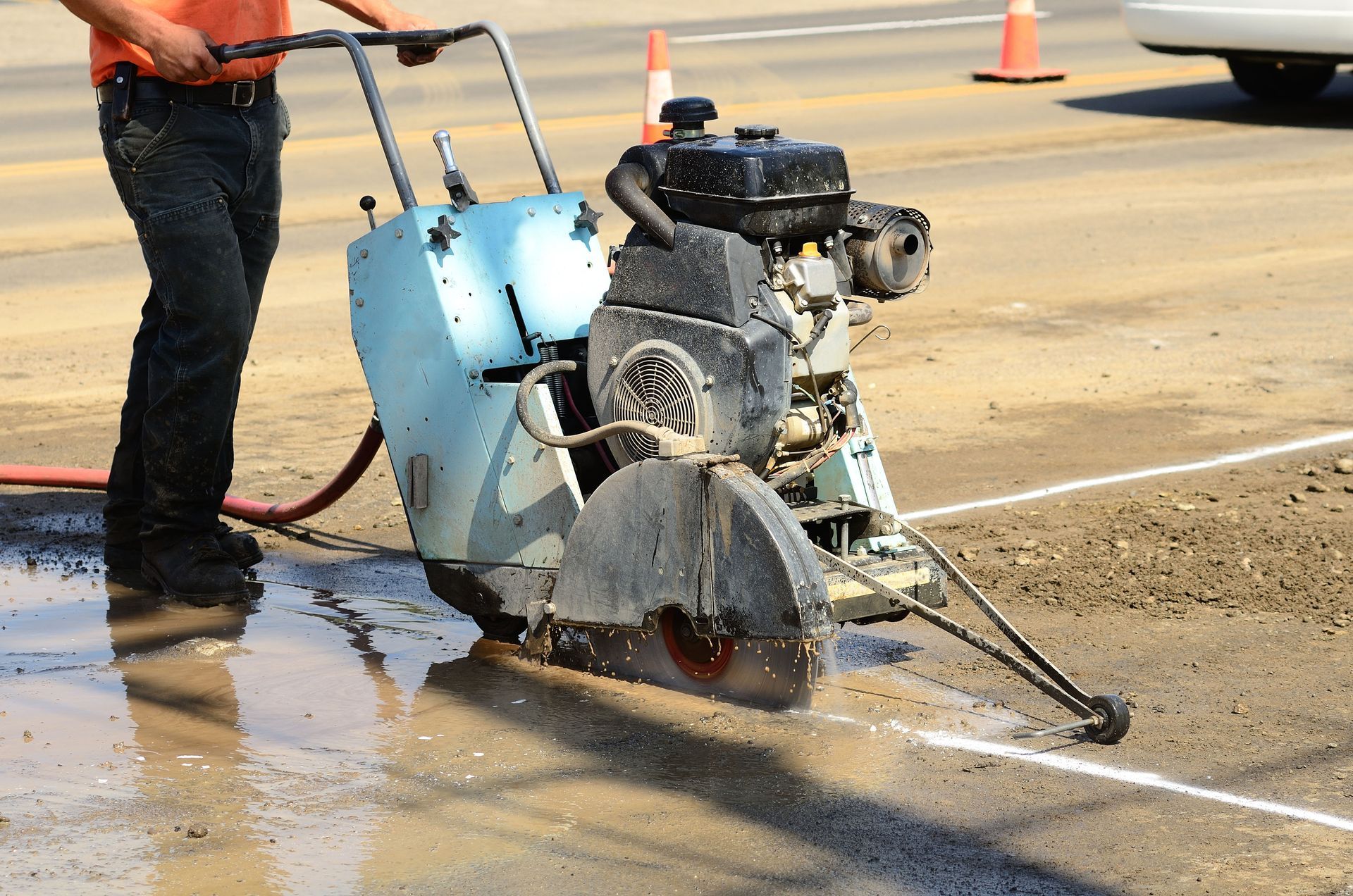
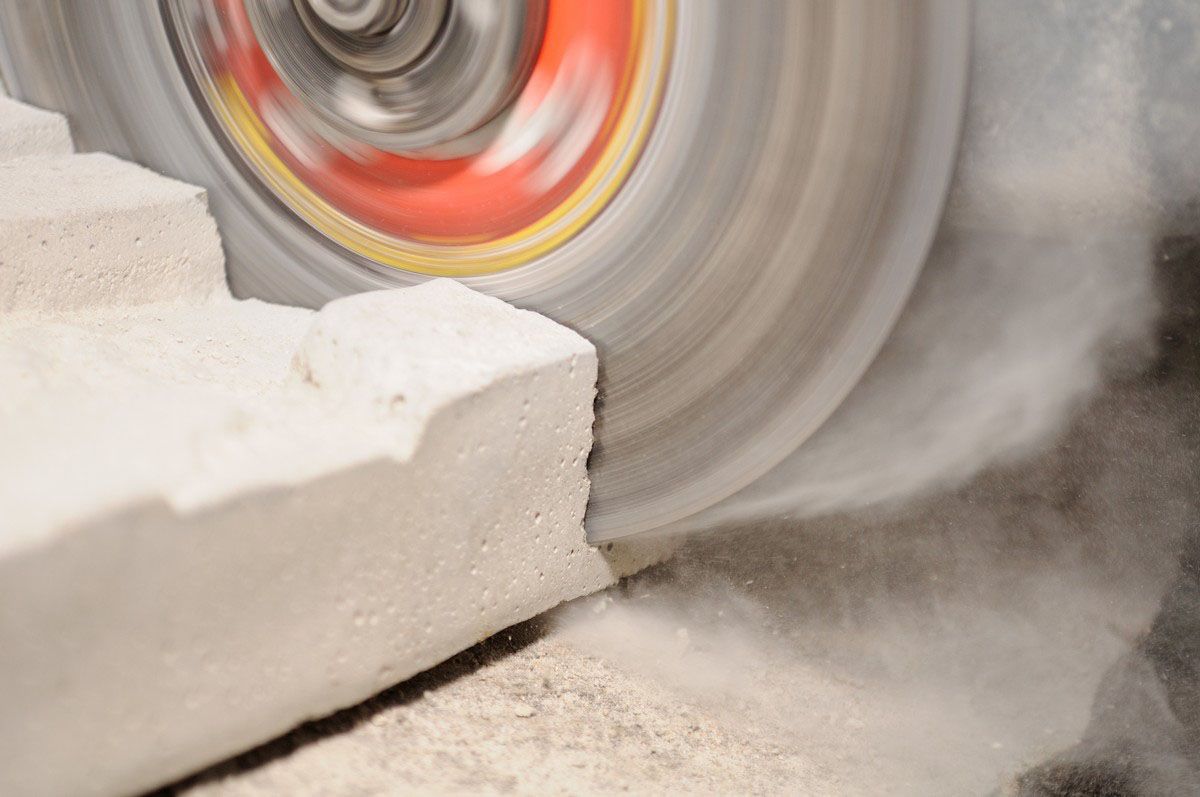
The technical process of slab sawing involves using a walk-behind machine equipped with a circular diamond blade to cut through horizontal concrete surfaces. This method is primarily utilized for creating expansion joints, removing damaged sections of pavement, or providing access to underground utilities located beneath a foundation. The weight of the saw itself provides the necessary pressure to drive the diamond blade through dense materials, ensuring a clean and precise edge that prevents further cracking in the surrounding area. Because the equipment is self-propelled, operators can maintain a steady pace across large flat surfaces such as highways, bridge decks, and warehouse floors.
This particular method is highly valued in the construction industry because it offers a level of depth control that is difficult to achieve with handheld tools. Technicians can adjust the blade to penetrate specific depths without damaging the structural integrity of the layers beneath the concrete. According to Market.us, wet concrete saws currently dominate the cutting market with a 63.20% share due to their efficiency and dust suppression capabilities. By incorporating water into the slab sawing process, contractors are able to keep the diamond blade cool while simultaneously capturing hazardous particles before they become airborne. This makes the method ideal for indoor projects where air quality is a significant concern for both workers and building occupants.
Comparing Traditional Wall Sawing Techniques
While slab sawing is designed for horizontal surfaces, wall sawing utilizes a track-mounted system to create precise openings in vertical structures. The track is bolted directly to the wall, allowing the saw to travel along a predetermined path to create windows, doors, or vents in reinforced concrete. This method provides an incredible level of accuracy and produces a finished edge that rarely requires additional patching or cosmetic work. Because the saw is mounted to a track, it can safely handle large blades that would be impossible for a human to manage manually, allowing for deep cuts through thick exterior walls.
The primary difference between these two methods lies in the orientation of the work and the setup required for the equipment. Wall sawing requires extensive preparation to ensure the track is perfectly level and securely anchored, whereas slab sawing equipment is ready to operate as soon as it is positioned on the ground. However, both methods often share the same diamond blade technology to ensure that the concrete is sliced rather than hammered, which preserves the strength of the remaining structure. Choosing between them depends entirely on the layout of the project and the specific architectural requirements of the renovation or demolition task at hand.
Evaluating Modern Wire Sawing Advantages
When dealing with extremely thick concrete or structures with unusual shapes, wire sawing offers a versatility that circular blades cannot match. This method employs a multi-strand cable infused with diamond segments that is looped around the object and pulled through a series of pulleys. As the cable spins at high speeds, it grinds through the concrete, allowing for cuts of almost any depth or diameter. This is particularly useful for removing large bridge piers, thick foundations, or massive equipment pedestals that exceed the reach of standard slab sawing machinery.
The flexibility of the wire allows it to wrap around obstacles and perform cuts in confined spaces where bulky walk-behind saws could never fit. While slab sawing is the faster choice for long stretches of pavement, wire sawing is the preferred solution for complex engineering challenges that require a surgical approach. It produces minimal vibration, which is a critical factor when working near sensitive machinery or historical structures that cannot withstand the shock of traditional demolition. By utilizing a continuous loop of diamond wire, operators can dismantle massive concrete blocks with a level of precision that was once thought impossible.
Utilizing Handheld Power Sawing Solutions
For smaller projects or areas with limited access, handheld power sawing provides a portable alternative to heavy machinery. These saws are typically powered by gas, electricity, or hydraulics and allow the operator to reach corners and tight spots that a walk-behind unit would bypass. They are frequently used for cutting small trenches for electrical conduit or trimming the edges of a concrete patio where a larger machine would be too cumbersome to maneuver. While they lack the massive power of slab sawing units, their agility makes them an essential tool for residential renovations and light commercial repairs.
The limitations of handheld tools are primarily related to the physical strength of the operator and the depth of the blade. Because the person must support the weight of the saw while guiding the cut, it is much more difficult to achieve the perfectly straight lines and uniform depths produced by self-propelled equipment. Furthermore, handheld units generally utilize smaller blades, which restricts their use to thinner slabs of concrete or masonry. In many professional settings, these tools are used as a supplement to slab sawing to finish the ends of a cut or to handle detail work that requires a more personal touch.
Investigating Core Drilling Precision Methods
Core drilling is a specialized technique used to create perfectly circular holes in concrete for pipes, wires, and ventilation ducts. Instead of creating a linear cut like slab sawing, this method uses a hollow cylindrical bit to remove a solid plug of material from the structure. It is a non-percussive process, meaning it does not create the micro-fractures associated with jackhammers or other impact-based tools. This makes it the safest option for creating penetrations in load-bearing walls or floors where structural integrity must be maintained at all costs.
The equipment for core drilling can be handheld for small diameters or rig-mounted for larger, deeper holes that require significant stability. Much like slab sawing, core drilling frequently utilizes water to lubricate the bit and prevent the buildup of heat and dust during operation. This ensures that the diamond segments on the bit remain sharp and effective throughout the duration of the project. While it serves a very different purpose than linear cutting, core drilling is often part of the same project phase, providing the necessary openings for the mechanical and plumbing systems that follow concrete removal.
The selection of a concrete cutting method depends on the specific geometry, depth, and location of the material being removed. While slab sawing remains the standard for horizontal pavement and foundation work, other methods like wall sawing and wire sawing provide the necessary solutions for vertical and complex structures. Understanding the differences in these techniques allows project managers to choose the most efficient tool for their specific needs, ensuring that the work is completed on time and within the required tolerances. By utilizing the right equipment and following established safety guidelines, contractors can achieve clean, precise results that facilitate the next stage of the building process. To ensure your next project is handled with professional expertise and precision, contact A Georgia Cutter, Inc.