September 17, 2026
Remodeling a home or commercial space often involves more than cosmetic updates. Projects that change walls, floors, foundations, utility routes, or access points may require concrete to be cut or removed with precision. In these situations, hiring a professional concrete cutting service can help protect surrounding materials while creating the openings needed for renovation. Experienced crews understand how to work around reinforcing steel, utilities, and structural components while limiting unnecessary damage. Proper planning can also reduce costly corrections and keep later phases of construction on schedule.
Understanding Concrete Cutting
Concrete cutting is a specialized construction process used to create controlled openings in slabs, walls, foundations, and other concrete surfaces. Common methods include wall sawing, slab sawing, core drilling, and wire sawing. Each technique is designed for a different application, and choosing the right one depends on the thickness, location, reinforcement, and purpose of the cut. A qualified concrete cutting service can evaluate these conditions and select equipment that provides a clean, accurate result.
Precision is important because cutting errors can interfere with framing, plumbing, electrical work, doors, windows, or structural supports. Professionals rely on careful measurements and specialized tools to reduce cracking and surface damage. The goal is not simply to remove concrete but to prepare the area correctly for the next stage of the remodel.
Choosing the Right Cutting Method
Different remodeling situations require different techniques. Wall sawing is commonly used to create openings for doors and windows in vertical concrete surfaces. Slab sawing works well on floors, driveways, sidewalks, and other horizontal areas. Core drilling creates round openings for plumbing lines, conduit, HVAC components, and utilities. Wire sawing can be useful for thick or unusually shaped concrete sections that are difficult to reach with conventional equipment.
Contractors may also choose between wet and dry cutting depending on the work area. According to Market.us, wet concrete saws account for 63.20% of the cutting market, reflecting the popularity of equipment that can help suppress dust while cooling the blade. Selecting the appropriate method improves accuracy and can reduce cleanup around the jobsite.
Installing New Doors and Windows
Adding or enlarging a doorway or window in a concrete wall is a common reason to bring in specialists. The opening must be measured carefully so the new frame fits correctly and can be properly sealed. Cutting too far can complicate installation, while an undersized opening may cause delays. A concrete cutting service can create the required opening while accounting for wall thickness, reinforcement, and nearby structural features.
Before cutting begins, the team may also need to verify whether the wall is load-bearing or contains hidden utilities. This is especially important in basements, commercial buildings, and older properties where original plans may not show every later modification. Careful evaluation reduces the chance of accidental damage and helps installers complete the next phase efficiently.
Creating Open-Concept Spaces
Open floor plans often require significant changes to existing walls and structural elements. Removing part of a concrete wall can improve movement, visibility, and usable space, but the work must be coordinated with structural planning. If the wall supports floors, roofs, or other building components, temporary supports or new beams may be necessary before any concrete is removed.
Professionals can coordinate with engineers, general contractors, and other trades to ensure the remodel follows an approved plan. A dependable concrete cutting service helps execute required cuts while limiting unnecessary vibration and damage to nearby areas. This can be particularly important in occupied buildings where noise, debris, and disruption need to be controlled.
Making Room for Plumbing and Electrical Upgrades
Many remodels involve relocating sinks, bathrooms, appliances, electrical panels, or mechanical systems. These changes may require new pathways through concrete floors and walls. Core drilling is commonly used for pipes, drains, conduit, and wiring, while slab cutting may be needed when trenches must be opened for underground utility lines.
Existing pipes, wiring, post-tension cables, or reinforcing steel may be embedded in the concrete. Contractors may use drawings, scanning equipment, or site information to reduce the chance of striking hidden components. Professional planning makes it easier to coordinate cut locations with the final plumbing and electrical layout while reducing delays for other contractors.
Repairing Foundations and Damaged Concrete
Foundation repair sometimes requires selective removal of cracked, deteriorated, or improperly installed concrete. The damaged section must be isolated without creating new weaknesses in the surrounding structure. A professional concrete cutting service can make controlled cuts that allow repair crews to remove only the necessary material. Clean edges also make it easier to install replacement concrete or structural repair systems.
Similar methods may be used on slabs, retaining walls, loading areas, and other concrete features. Saw cutting can create a more controlled boundary than heavy impact demolition, reducing unnecessary removal and making reconstruction easier to manage. This controlled approach can also minimize damage to sections that are intended to remain in place.
Managing Dust, Debris, and Safety
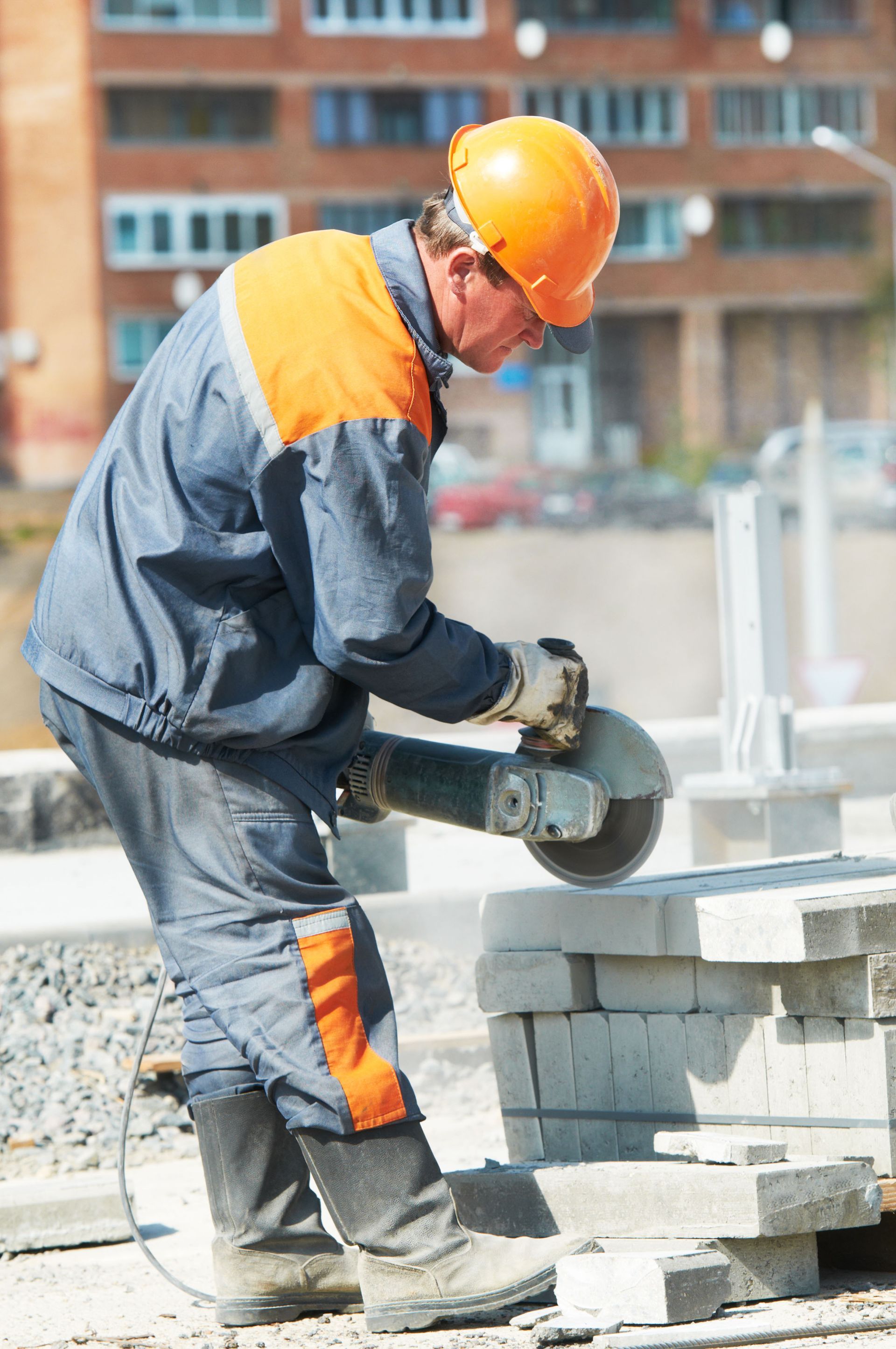
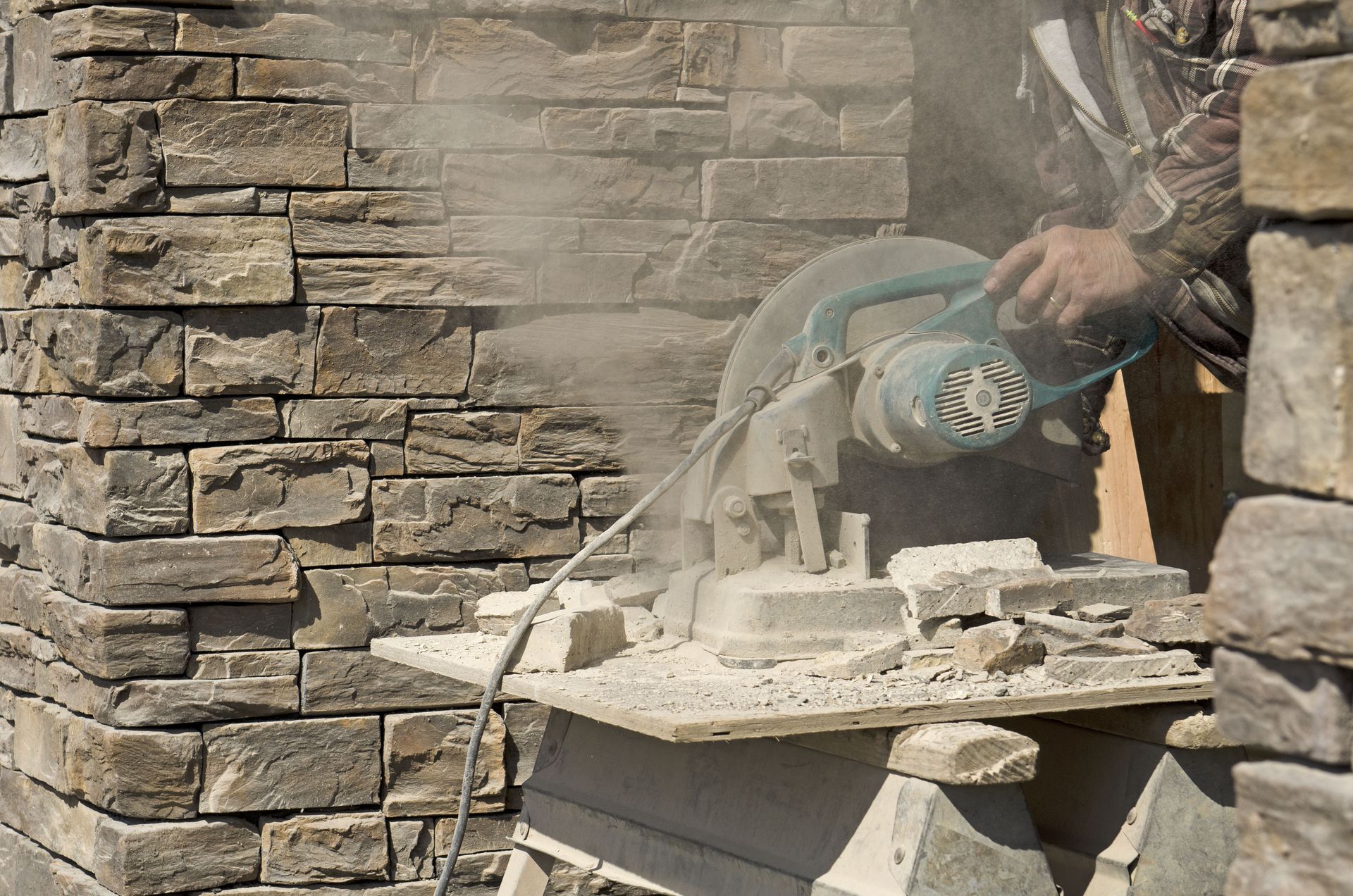
Concrete cutting produces dust, slurry, noise, sharp debris, and heavy material that must be handled carefully. Silica-containing dust can create health concerns when proper controls are not used. Wet cutting, dust collection systems, protective equipment, and restricted work zones are common methods for reducing exposure and maintaining a safer work environment.
Debris removal also requires planning because cut concrete can be extremely heavy. Crews may divide larger sections into manageable pieces and use lifting or hauling equipment to remove them safely. Proper jobsite practices help protect workers, occupants, nearby finishes, and equipment throughout the process.
Meeting Building and Structural Requirements
Remodeling work that alters structural concrete may require permits, inspections, engineering review, or other approvals. Requirements vary by project and location, but cutting structural components without proper planning can create compliance and safety problems. A reputable concrete cutting service can work from approved plans and coordinate with contractors so cut dimensions and locations match project specifications.
Code considerations may be especially important when creating exits, accessibility improvements, stair openings, or major structural modifications. Accurate work helps ensure that the completed opening can accommodate the framing, reinforcement, or equipment that follows. Clear documentation can also help prevent delays during inspections.
Evaluating Project Complexity
Not every concrete modification has the same level of difficulty. Thickness, reinforcement, access, nearby utilities, occupied spaces, and structural conditions all affect how the work should be approached. Cutting a thin patio slab is very different from modifying a reinforced basement wall or commercial floor. Experienced contractors assess these factors before selecting tools and developing a work plan.
Time and budget should also be considered early. Deep cuts, difficult access, extensive reinforcement, or special cleanup requirements can increase labor and equipment needs. A detailed site assessment provides a clearer estimate and helps avoid unexpected complications once the remodel is underway.
Why Professional Experience Matters
Concrete cutting equipment is powerful, and successful operation requires more than simply knowing how to use a saw. Professionals understand blade selection, cutting depth, equipment positioning, water management, and safe material removal. They can also recognize warning signs such as unexpected reinforcement, changing concrete conditions, or obstacles in the cutting path.
Hiring a concrete cutting service can improve overall project efficiency because experienced crews arrive with equipment suited to the task. Accurate cuts can reduce patching, rework, and adjustments by the trades that follow. This helps keep the renovation moving and protects the quality of surrounding surfaces.
Bringing specialists into the project early allows the team to plan around these conditions rather than reacting after demolition has started. With the right specialist team, property owners can create the openings and modifications their remodel requires while maintaining greater control over safety, accuracy, cleanup, and scheduling. Careful cutting creates a dependable starting point for the construction work that follows and helps support a successful renovation. Contact our team at A Georgia Cutter, Inc today and learn more about our concrete cutting services.